
Why Does Water Keep Collecting on Your Property After Every Storm?
Persistent pooling water after rainfall is a clear indicator of systemic structural or geological failure within a landscape. When a property cannot shed stormwater, pooling risks structural foundation destabilization and soil erosion. Heavy accumulation also causes severe environmental degradation. This article analyzes the primary mechanisms driving chronic property flooding, ranging from poor soil composition and improper grading to inadequate infrastructural setups, and delivers expert-backed solutions to resolve drainage inefficiencies permanently. Operating as professional drainage excavation contractors, NCA Excavating specializes in identifying and mitigating subsurface and surface fluid dynamics to restore the safety and structural integrity of your residential or commercial landscape.

How Do Subsurface Soil Conditions Prevent Proper Stormwater Drainage?
Soil type controls how fast water drains through the ground. Clay soil has tiny, flat pieces that pack tightly together, leaving no room for water to pass. During heavy rain, the top layer of clay fills up fast and acts like a sheet of concrete. New rain cannot soak in, so it pools on top of your yard. To fix this, you need yard grading services like mixing in better dirt or digging underground drain paths.
Past building work with heavy trucks also packs dirt down hard. This eliminates the deep ground holes needed for water to drain away, forcing stormwater to sit stagnant on the surface. Professional property drainage services can fix these issues by breaking up hard ground and reshaping your lot to handle heavy rain safely.
Is standing water threatening your home's foundation and property value?
Why Is Your Property’s Grading Style Creating Artificial Drainage Basins?
Grading shapes a landscape to control runoff direction and velocity. Ground surfaces must slope downward, dropping at least six inches within the first ten feet from a foundation. Neglecting this engineering principle invites severe structural threats.
Improper grading creates artificial containment zones where depressions and valleys convert functional lawns into stagnant retention ponds. Furthermore, settling foundations cause adjacent soil to sink and tilt back toward the structure. This reverse grading channels roof runoff directly into the basement walls, generating immense hydrostatic pressure that cracks concrete and destroys internal framing. Utilizing professional property drainage services is the standard protocol for restoring grades to optimal hydrological baselines.
What Types of Professional Trench and Ditch Work Fix Chronic Flooding?
Permanently eliminating large-scale surface water requires precise mechanical earthmoving to build high-capacity, gravity-driven drainage pathways.
Open Trench Drainage Systems: Operators dig deep, wide channels and fill them with coarse gravel. This setup lets surface water bypass packed dirt fast and run straight into the deep ground.
Agricultural and Roadside Ditching: Large lots use deep ditches dug along property lines to catch big sheets of rushing rainwater. These channels guide the runoff safely into town storm sewers or holding ponds.
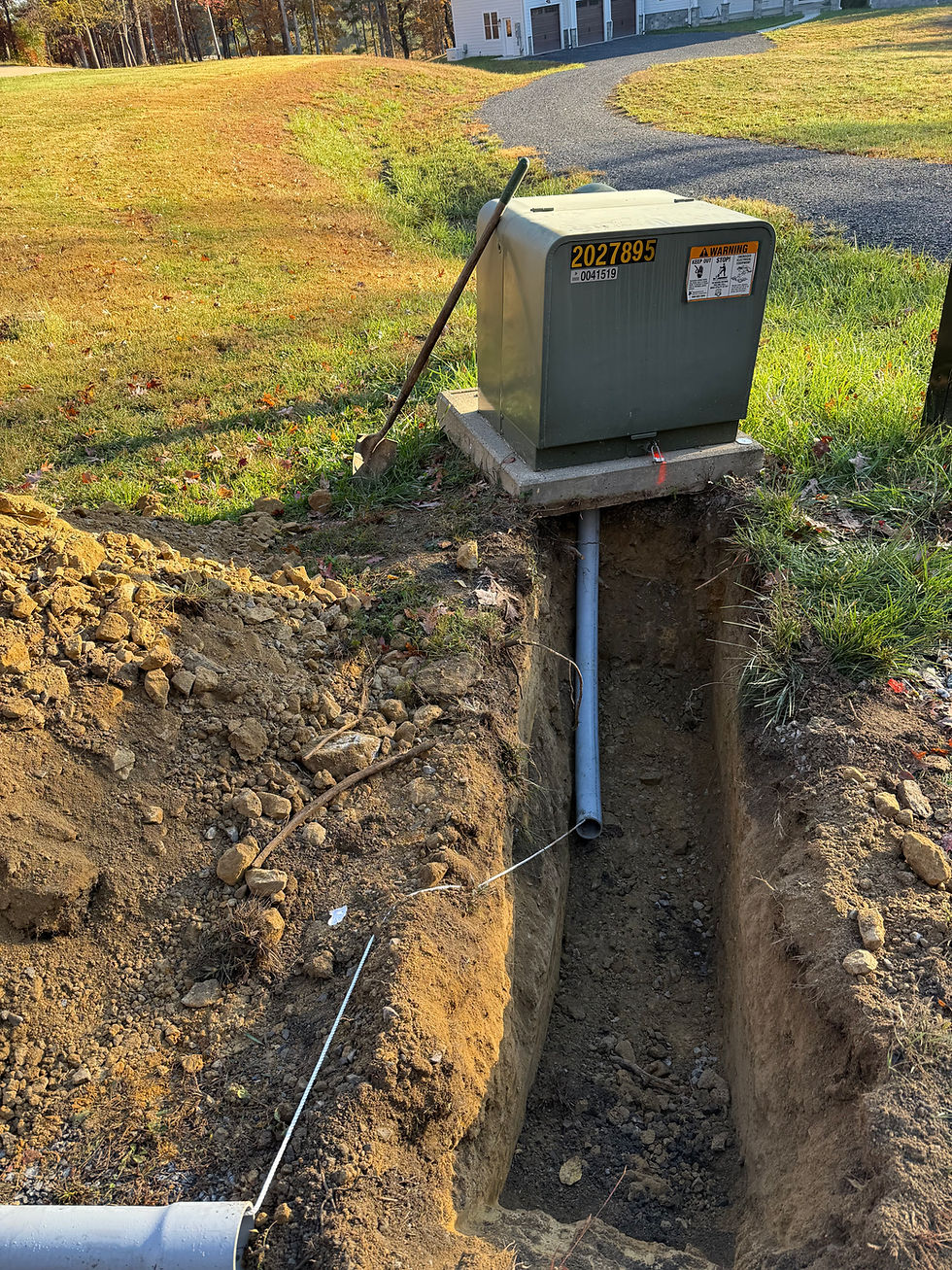
French Drain Construction: Crews dig a precise trench and line it with fabric. They place a perforated pipe inside and fill the space with clean stone to pull water out of the ground.
Executing heavy earthworks demands absolute precision in grade layout. Engaging skilled operators for trench excavation services ensures that excavated channels maintain a continuous, uncompromised downward slope, ensuring that water flows away via gravitational forces rather than backing up.
How do Advanced Stormwater Management Structures Protect Home Foundations?
Installing heavy-duty stormwater drainage systems involves integrating catch basins and area drains throughout the landscape. In addition, technicians connect layout features to solid subsurface PVC piping networks. Catch basin installation systems use ground-level grates to collect large pools of rushing rainwater. A built-in underground box catches dirt and debris so the lines do not clog. The trapped water then flows fast through smooth plastic pipes, dumping the runoff safely far away from your house foundation.
Additionally, properties dealing with massive volumes of water benefit from dedicated surface water management practices. Management solutions integrate underground dry wells or retention chambers that safely store thousands of gallons of water during peak storm hours, releasing volume slowly into the deeper subsoil over subsequent days without flooding the surface.
What Are the Long-Term Solutions to Prevent Water Accumulation?
Fixing chronic yard flooding for good requires a plan that handles both surface rainwater and underground water. Simple quick fixes like dumping topsoil into wet spots just hide the real issue. Professional drainage excavation contractors use specific tools to fix these issues for good:
Professional Ditch Excavation: For properties with uneven land or broken utility trenches, professional ditch excavation services in Winchester VA, dig the deep channels needed to handle heavy local storm runoff.
Underground Curtain Drains: Coupling open ditches with underground curtain drains catches both high groundwater and rushing surface rainwater at the same time.
Regular Maintenance: Cleaning out silt, leaves, and debris keeps your underground pipes clear. This basic upkeep guarantees your drainage system protects your home for decades.
Conclusion
Water puddles that stay after rain mean you have deep drainage problems that hurt your property's safety and value. Letting water sit leads to cracked foundations and washed-away dirt. It damages the whole yard. Fixing it for good takes professional building work rather than quick patches. As expert drainage excavation contractors, NCA Excavating knows how to fix bad dirt, wrong slopes, and broken pipes exactly right. Connect with our professionals today to have us look at your yard. Our crew will build a tough, smart system to carry away heavy rain and keep your home's land completely dry through every storm.
Are you tired of dealing with a muddy yard after every heavy storm?
FAQs
Why should I hire certified drainage excavation contractors instead of attempting a DIY fix?
Certified drainage excavation contractors eliminate foundation damage risks through precision laser grading and heavy equipment operation. Homeowners often miscalculate slopes during DIY attempts. Consequently, runoff backs into home foundations, or shovels puncture underground utility lines. At NCA Excavating, our team protects landscapes, ensures regulatory compliance, and designs permanent water routing that manual digging cannot match.
What are the most effective yard drainage solutions for flat properties?
Subsurface French drains paired with engineered catch basins offer the most reliable yard drainage solutions for flat landscapes. Lacking natural slopes, level ground cannot move storm runoff via gravity. We break this stasis by installing solid PVC piping networks below the turf. This approach draws pooling water downward, carrying volume safely to municipal storm sewers.
How can professional property drainage services prevent foundation cracking?
Professional property drainage services stop foundation cracking by neutralizing hydrostatic pressure against concrete basement walls. Saturated soils expand aggressively, pushing inward until foundations fracture. Our tailored grading corrections and curtain drains intercept this migrating water. At NCA Excavating, we redirect storm surges far from building footprints, keeping structural basements dry and secure.
What is the difference between temporary ponding and a failing stormwater drainage system?
Temporary ponding clears naturally within hours as earth absorbs precipitation. Conversely, a failing stormwater drainage system leaves stagnant pools for over forty-eight hours, kills turfgrass, and emits foul odors. Soil saturation or basement wall seepage confirms severe infrastructural blockages. Our specialized remediation restores property equilibrium, ensuring ground surfaces shed rainfall rapidly.
When are specialized ditch excavation services in Winchester required for rural properties?
Acreage landscapes require specialized ditch excavation services in Winchester, VA, when massive surface sheet runoff carves channels through topsoil and floods gravel driveways. At NCA Excavating, our operators deploy commercial excavators to cut deep, open channels along property boundaries. These ditches capture high-volume storm flows, guiding water safely into regional valleys without disrupting structural access.


Comments