
Why Is Your Yard Uneven and What Can We Do About It?
An uneven yard forms when soil shifts over time. Water movement, root growth, and pest activity also affect ground stability. Poor grading often creates dips and soft areas. Using proper yard drainage solutions helps control water flow and reduce surface damage.
Small surface bumps need top-dressing with a soil mix. Deeper areas require lifting turf and adding compacted soil. These steps support a smoother surface and healthier grass.
Uneven ground affects daily use and lawn care. It collects water in the low areas and weakens the soil. Moreover, mowing becomes harder on rough surfaces. A level yard improves both function and appearance.
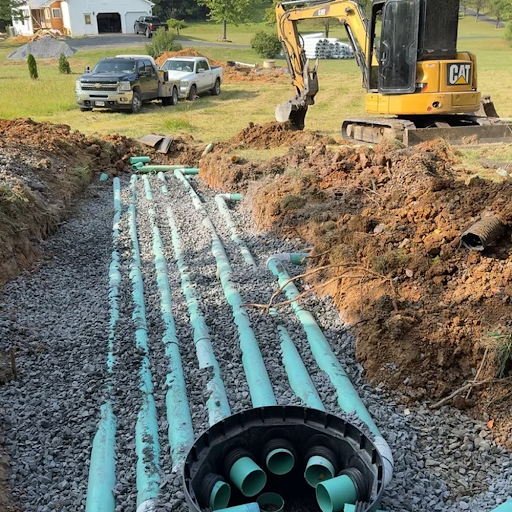
Common Reasons Your Yard Becomes Uneven
Soil reacts to pressure and moisture over time. Natural changes and regular use also affect ground balance. Therefore, identifying the cause helps apply the right fix.
Soil Settling
Soil compacts under weight and changing weather conditions. New construction areas often face this issue due to loose soil. Moreover, buried materials break down over time and create empty spaces. As a result, the ground sinks and forms dips.
Pests and Underground Activity
Moles and voles dig tunnels that weaken the soil structure. These tunnels create soft and uneven ground areas. Ants build mounds above the surface and disturb the balance. This leads to visible bumps and uneven spots.
Water and Drainage Problems
Rainwater moves soil across the yard and creates dips. Standing water weakens the soil and reduces its strength. Therefore, proper drainage helps maintain surface stability.
Frost Heave
Soil expands when moisture freezes during winter conditions. This lifts sections of the yard unevenly. When temperatures rise, the soil settles irregularly. Hence, bumps appear across the surface.
Tree Roots Growth
Tree roots grow near the surface as trees expand over time. This pushes soil upward and creates raised areas. Roots also reduce nutrients available for grass growth.
Foot Traffic and Lawn Use
Walking on wet soil compresses it and creates uneven areas. These repeating mowing patterns add pressure along the same lines. Therefore, visible tracks and dips form gradually.
Need expert help for major yard issues?
Signs Your Yard Needs Leveling
Uneven yards show clear physical changes. These signs indicate surface imbalance and soil movement.
Walking across the yard feels unstable in certain spots. Some areas feel soft under pressure.
Water collects in low areas after rain. Drainage becomes slow and uneven. Grass growth appears inconsistent across the yard.
Mowing becomes difficult due to surface variation. Equipment may struggle on raised or sunken areas. Therefore, early repair prevents larger issues.
How to Fix an Uneven Yard Step by Step
Repair methods and yard leveling services depend on depth. Small dips need surface fixes, while deeper areas need more work.
Step 1: Identify and Mark Problem Areas
Walk the yard after a rain to spot areas where water collects. Mark low spots with flags or spray paint for accuracy.
Step 2: Apply Top-Dressing for Minor Areas
Mix equal parts of topsoil and compost. Spread a thin layer over low spots and keep it under half an inch. Repeat until the surface becomes even.
Step 3: Repair Deep Areas by Lifting Turf
Cut and lift the turf carefully without damaging roots. Fill the area with soil and place the turf back. Water well to support recovery. For larger areas, yard leveling services improve results.
Step 4: Overseed the Repaired Sections
Spread grass seed over repaired areas and maintain moisture. This helps create even and healthy grass growth.
Step 5: Improve Drainage
Grade the yard to direct water away from low spots. Install systems if needed to improve flow. Effective yard drainage solutions reduce erosion and prevent future uneven areas.
For major issues, proper site preparation for construction ensures a stable base and long-term results.
How to Prevent Uneven Ground in the Future
Preventing uneven ground requires consistent care and planning. Each step supports long-term stability.
Ensure water flows away from the yard properly. Install grading systems to guide movement.
Limit walking on wet soil to reduce compaction. Use pathways in high-use areas.
Change mowing direction regularly to avoid pressure lines. Maintain thick grass to protect the soil.
Large outdoor projects should include site preparation for construction for better ground stability.

Conclusion
Uneven yards develop due to soil movement and water issues over time. Natural growth and regular use also affect ground balance across the surface. Proper repair improves both surface condition and structural stability of the yard.
Good maintenance and planning help prevent future uneven ground problems. Professional yard grading services near Winchester support accurate grading and long-term surface results. For reliable outcomes and expert groundwork, many property owners choose NCA Excavating for consistent service and lasting solutions.
Ready to level your yard with expert support?
FAQs
How to deal with an uneven yard?
Start with a full surface check to locate dips and raised sections across the yard. Add soil mix to low areas and compact the surface for better stability. Improve water control to stop soil movement and pooling. Use proper yard drainage solutions to maintain balance. NCA Excavating delivers reliable support for long-term yard leveling results.
How to cure an uneven lawn?
Apply a soil and compost mix to fix minor surface issues. Reseed treated areas for even grass growth across the lawn. Keep soil moist to support strong root development. Use yard leveling services to correct deeper surface problems. NCA Excavating ensures smooth and consistent lawn restoration with professional methods.
What causes uneven yards?
Soil settling, water movement, and pest activity create surface imbalance over time. Tree roots also push soil upward and disturb the ground level. Weather changes add pressure through expansion and contraction cycles. Proper construction site preparation helps control these issues early. NCA Excavating applies effective methods to maintain stable and even ground conditions.
How can I even out my yard?
Mark uneven areas clearly and remove loose soil from the surface. Fill low spots with compacted soil layers to restore level ground. Spread grass seed to improve uniform growth across the yard. Proper grading supports long-term stability. Use site preparation for construction for better results. NCA Excavating ensures accurate leveling and durable surface structure.
Can I regrade my yard myself?
Small grading work can be managed with basic tools and careful soil placement. Large areas require proper slope control and accurate measurements for safe results. Poor grading can lead to drainage issues and erosion over time. Use foundation excavation when deeper correction becomes necessary. NCA Excavating provides precise solutions for stable and lasting yard grading.


Comments